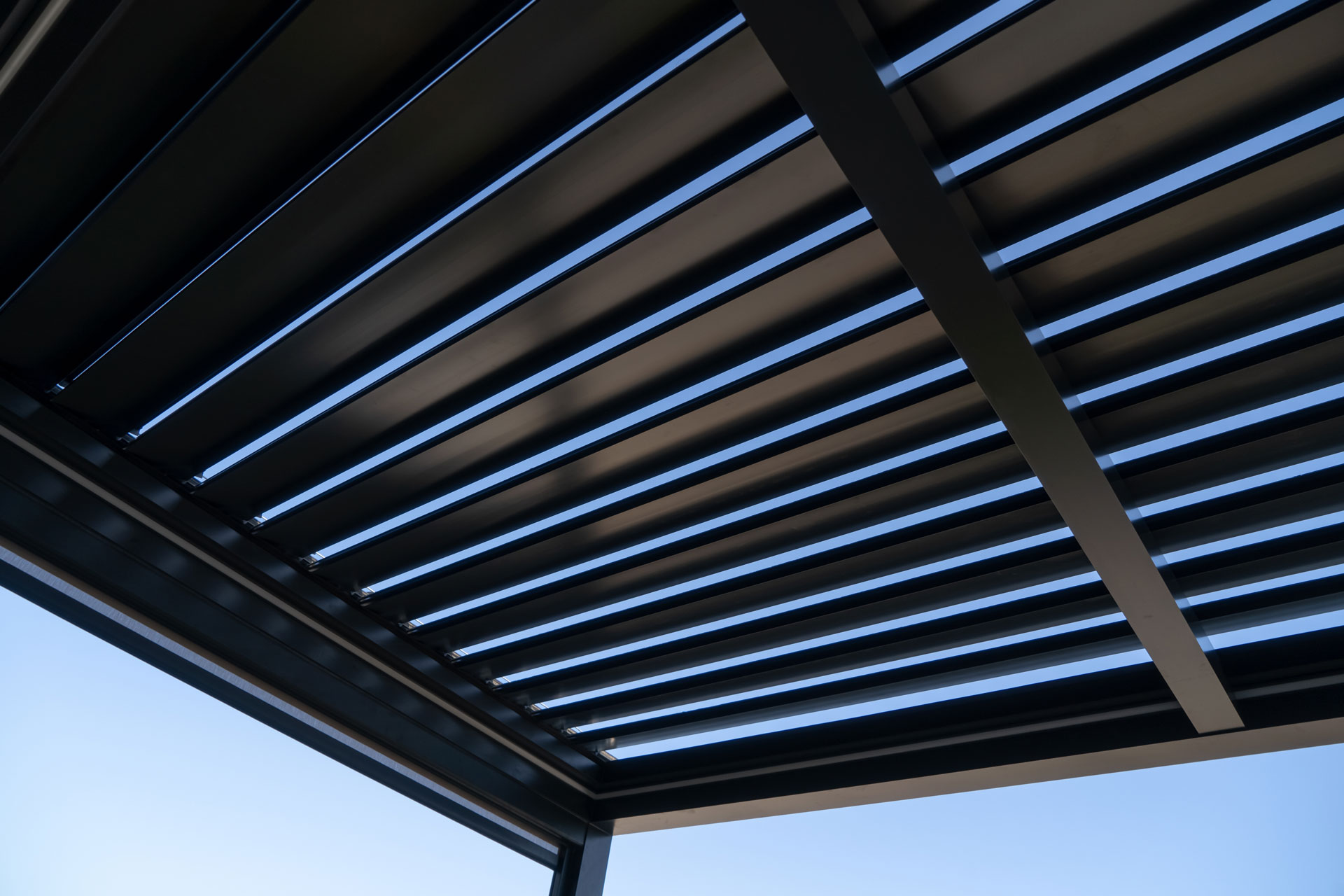
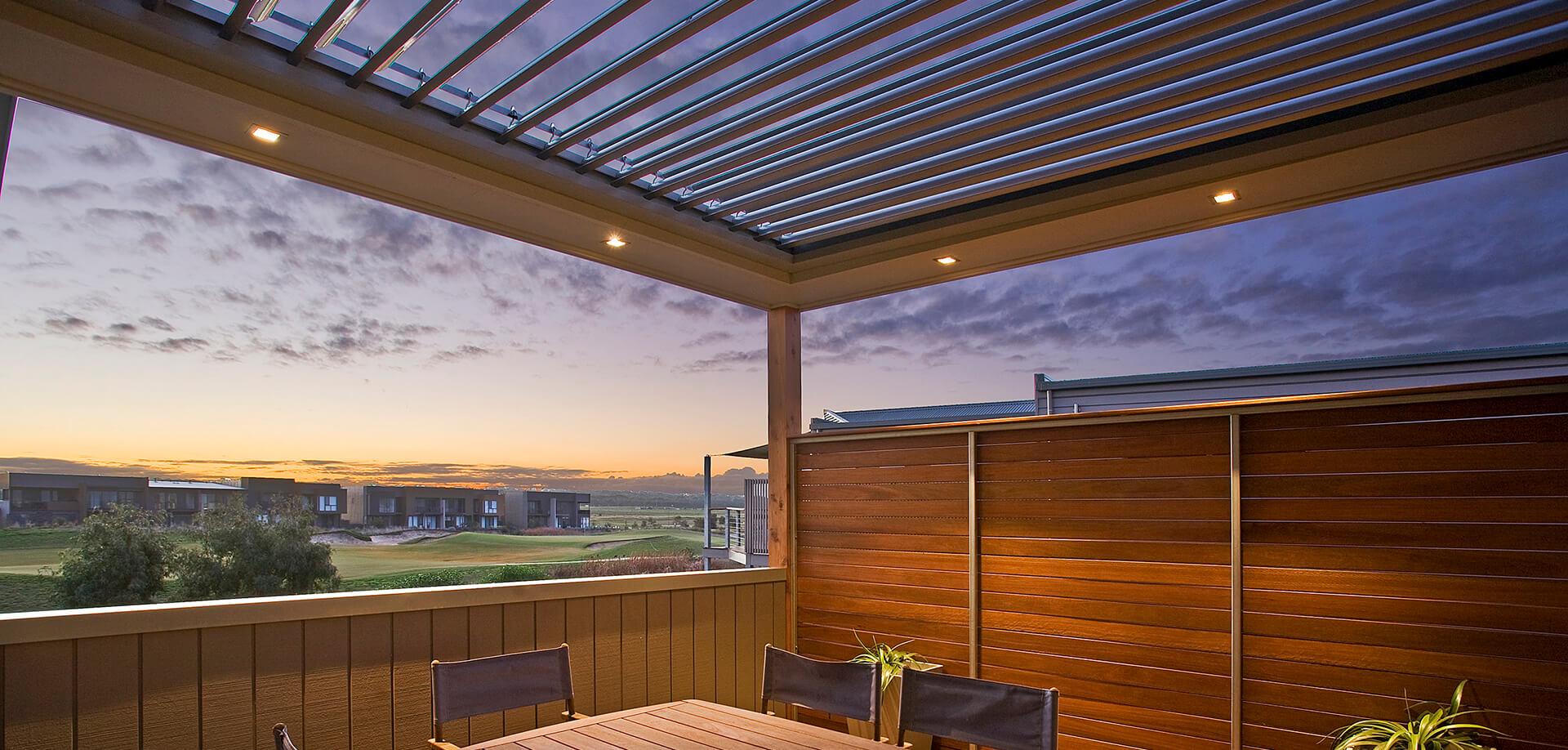
The alfresco has become a quintessential space for Australian homes and it’s easy to see why. An extension of the home, alfresco areas are a great place to relax or come together with friends and family. Enclosing this space can add further versatility and functionality, providing enjoyment for years to come. Read on to find out the top ways to enclose your alfresco area.
Benefits of enclosing an alfresco area
Enclosing your alfresco area comes with many benefits. It allows you to keep out unwelcome rain and harsh sun, as well as insects, wind, and dust. An enclosed alfresco area provides protection from the elements throughout all seasons, allowing you to enjoy outdoor living all year round. Your outdoor furniture will also appreciate the extra protection, as it will be protected from dirt and extend the lifespan.
An enclosed outdoor space provides you with a whole extra room, extending the overall living area of your home. You can create the ultimate indoor-outdoor room based around how you would use the space. The extra square meters will also add value to your home and is a fantastic selling point for potential buyers.
Types of enclosures
Blinds
With a variety of styles available, blinds are an economical solution to enclosing your alfresco area. With a lower price point to other options, it can be a more affordable route for some. Blinds can be made from various materials to suit your alfresco needs. An alfresco area that receives the harsh afternoon sun may opt for shade blinds to help alleviate the brightness, whereas others may prefer a clear PVC café blind for an unrestricted view. Some blind styles use pulley systems, while others use channel systems. There are often options for automatic remotes too. However, depending on the style, some blinds may not be completely wind-proof, allowing it to slip past any cracks, and not all blinds are able to withstand high winds and must be rolled up for longevity.
Screens
Screens offer a fixed alternative to enclose your alfresco area. There are two options when it comes to screens: static and louvre screens. Static screens can be a great solution for closing any gaps between the top of a fence and your pergola, providing extra privacy from neighbours. Available in a wide range of colours and finishes, many static screen options can come in DIY kits or custom fitouts.
Louvre screens provides privacy, just as static screens do, but with the added bonus of allowing in light and airflow. Louvre House offer two louvre screen options: manually operable louvre screen to let in light and airflow, or privacy and protection when closed, or the Louvre House fixed-blade louvre system which is ideal for areas where only privacy and protection from the elements is desired.
Read More: 6 Best Ways to Upgrade an Alfresco Space
Panorama Enclosures
Panorama enclosures & bi-fold doors are yet another option to enclose your alfresco area. With options for bifold, sliding or fixed hinge doors, panorama enclosures offer a greater versatility to the above suggestions. Creating privacy and protection from the elements, this versatility allows you to maintain the relaxing vistas of your outdoor spaces, creating an environment you can utilise year-round. Louvre House Panorama Enclosures are constructed from a strong and durable aluminium frame designed to suit the harsh Australian climate. With choices of high-tech clear or tinted PVC, it has the clarity of glass without the weight. Easy to operate, panorama enclosures allow you to enjoy your outdoor living area without hindering the view.
If your home has an alfresco area, why not consider enclosing it? The benefits of an enclosed alfresco area will see you enjoying outdoor living all year round. Contact Louvre House to find out how we can help you create the ultimate alfresco area.
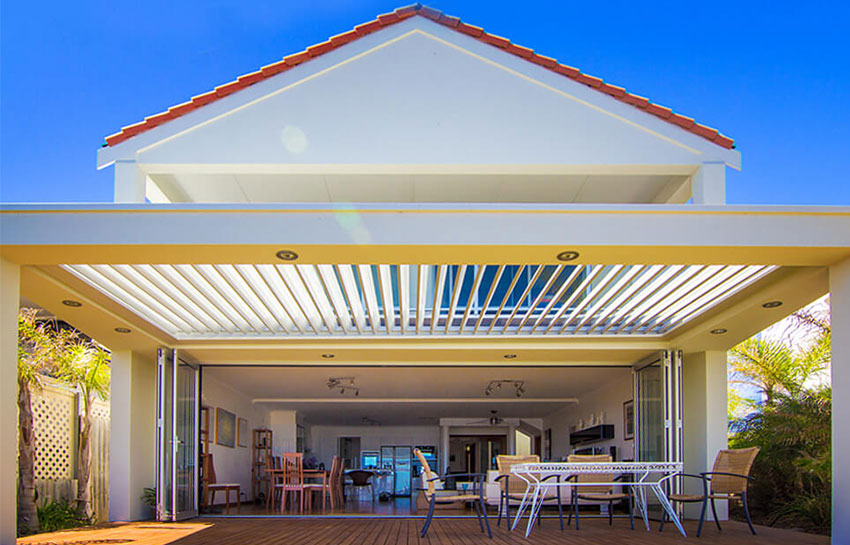
Enhancing Your Alfresco Area with Heating and Lighting
Enclosing an alfresco area already improves comfort and usability, but adding heating and lighting allows the space to be enjoyed year-round. These features help create a welcoming environment that works just as well on cool evenings as it does during the day, making your alfresco enclosure more functional and inviting.
Outdoor Heaters
Outdoor heating is one of the most effective ways to extend the use of an enclosed alfresco area. Electric or gas heaters can be wall or ceiling mounted to save space, while portable heaters offer flexibility. Fire pits and radiant heaters are also popular options, providing warmth while adding visual appeal to the space.
Underfloor Heating
For a discreet and efficient heating solution, underfloor heating is ideal for enclosed alfresco areas with tiled or stone flooring. This option provides consistent warmth without visible equipment, helping maintain a clean, uncluttered look while improving comfort during colder months.
Integrated Lighting
Lighting plays an important role in how your alfresco area feels and functions. Recessed ceiling lights provide even illumination, while wall lighting or pendant fixtures help create a relaxed atmosphere. Layered lighting allows the space to be used for dining, entertaining, or unwinding in the evening.
Smart Lighting Solutions
Smart lighting systems give you greater control over brightness and ambience. Using an app or remote, you can adjust light levels, set timers, or change tones to suit different occasions. This flexibility makes enclosed alfresco areas easier to adapt throughout the day and night.
Combining Heating and Lighting
When planned together, heating and lighting can be seamlessly integrated into the structure of your alfresco enclosure. Built-in solutions help create a cohesive look while ensuring the space remains comfortable, practical, and visually appealing in all seasons.
By incorporating heating and lighting into your alfresco enclosure ideas, you can transform your outdoor area into a comfortable extension of your home that works all year round.
Maintenance and Care for Enclosed Alfresco Spaces
Proper maintenance is essential when enclosing an alfresco area, as regular care helps protect your investment and ensures the space remains safe, attractive, and functional over time.
Cleaning Floors and Surfaces
Alfresco areas experience frequent use, so regular cleaning is important. Sweep and wash hard floors to remove dirt and debris, and use suitable cleaning products for timber decking or tiled surfaces. Keeping floors clean helps prevent wear and maintains the appearance of your enclosure.
Roof and Wall Maintenance
If your alfresco space includes glass, screens, or polycarbonate panels, clean them regularly to maintain visibility and light flow. Inspect roof panels and wall systems for signs of wear, movement, or leaks, especially after heavy rain or strong winds.
Heating and Cooling Systems
Outdoor heaters, fans, and lighting should be checked periodically to ensure they are operating safely and efficiently. Clean heating units, replace filters where required, and inspect wiring or fittings to maintain performance and safety.
Furniture and Soft Furnishings
Outdoor furniture should be cleaned and protected to extend its lifespan. Use covers when items are not in use, and treat outdoor fabrics with protectants to reduce fading and staining. Regular care helps keep the space looking fresh and inviting.
Pest and Weather Checks
Even enclosed alfresco areas can attract insects or small pests. Check for gaps, cracks, or damaged seals and address them promptly. Regular inspections help prevent minor issues from becoming larger problems.
With consistent upkeep, an enclosed alfresco area can remain a comfortable and appealing part of your home for many years.
Frequently Asked Questions
The most cost-effective option depends on your needs. Screens, mesh panels, or outdoor curtains are generally more affordable than full glass enclosures and still provide protection and flexibility.
Council approval is often required for enclosing an alfresco area, depending on the size, structure, and materials used. It’s best to check local council requirements before starting any work.
DIY solutions can suit simple projects, but professional installation is recommended for more complex enclosures. A professional ensures compliance, durability, and a higher-quality finish.
Installation time varies based on design and materials. Simple enclosures may take a few days, while fully enclosed alfresco areas with custom features can take several weeks.